First-ever measure of older people's poverty reveals nearly one in five living in hardship
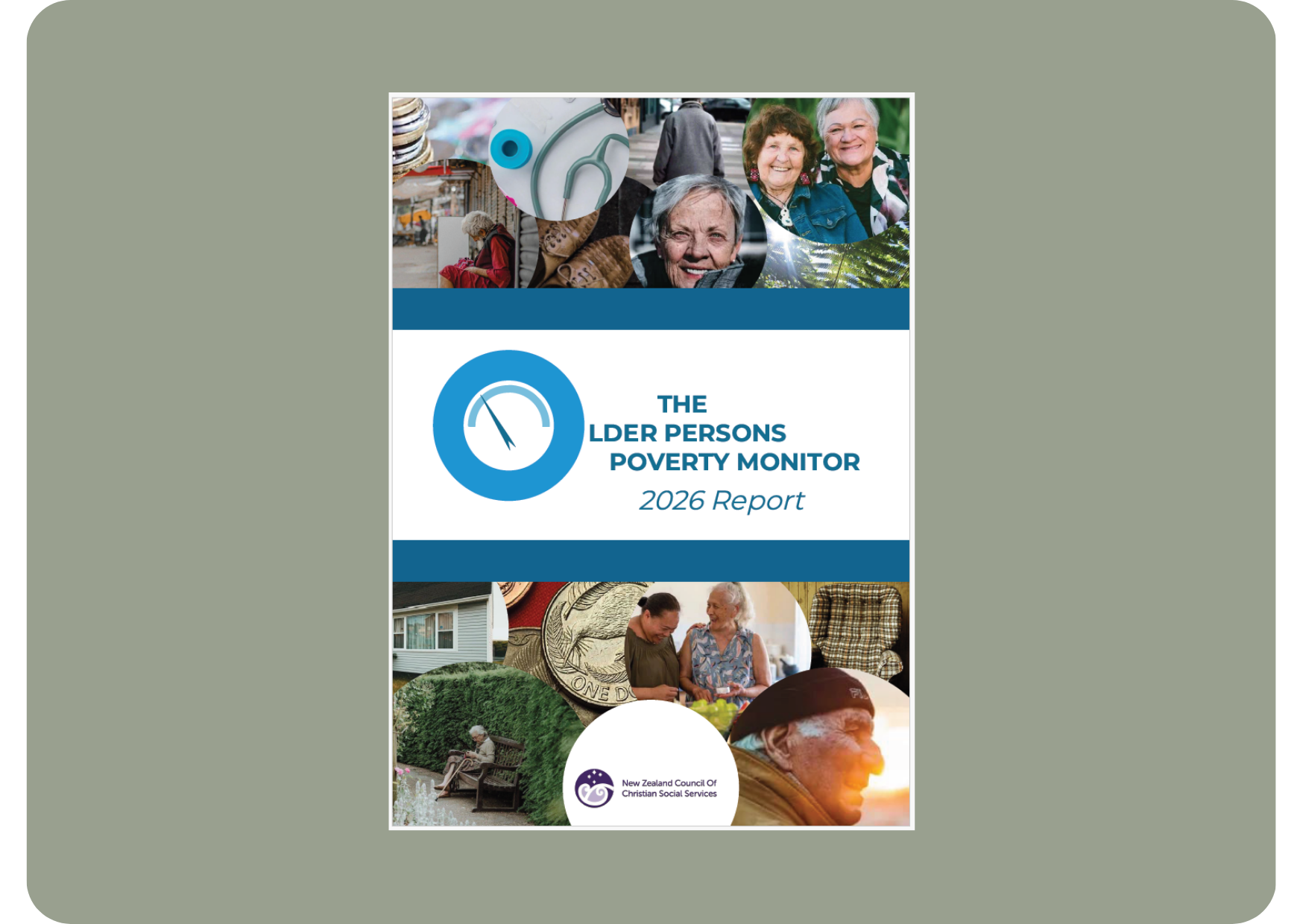
For the first time, New Zealand has a national baseline for measuring poverty in older people as NZCCSS unveils the Older Persons Poverty Monitor.
19 August 2026
For the first time, New Zealand has a national baseline for measuring poverty among older people – and the results reveal levels of hardship the New Zealand Council of Christian Social Services (NZCCSS) says the country should no longer accept.
The inaugural Older Persons Poverty Monitor 2026, released today, finds:
● 168,000 older people reported delaying a doctor or dentist visit because of cost;
● 147,000 people aged over 65 live in accommodation they do not own;
● 102,000 older people are living below 50 percent of mean income after housing costs; and
● 25,000 older people are living in material hardship.
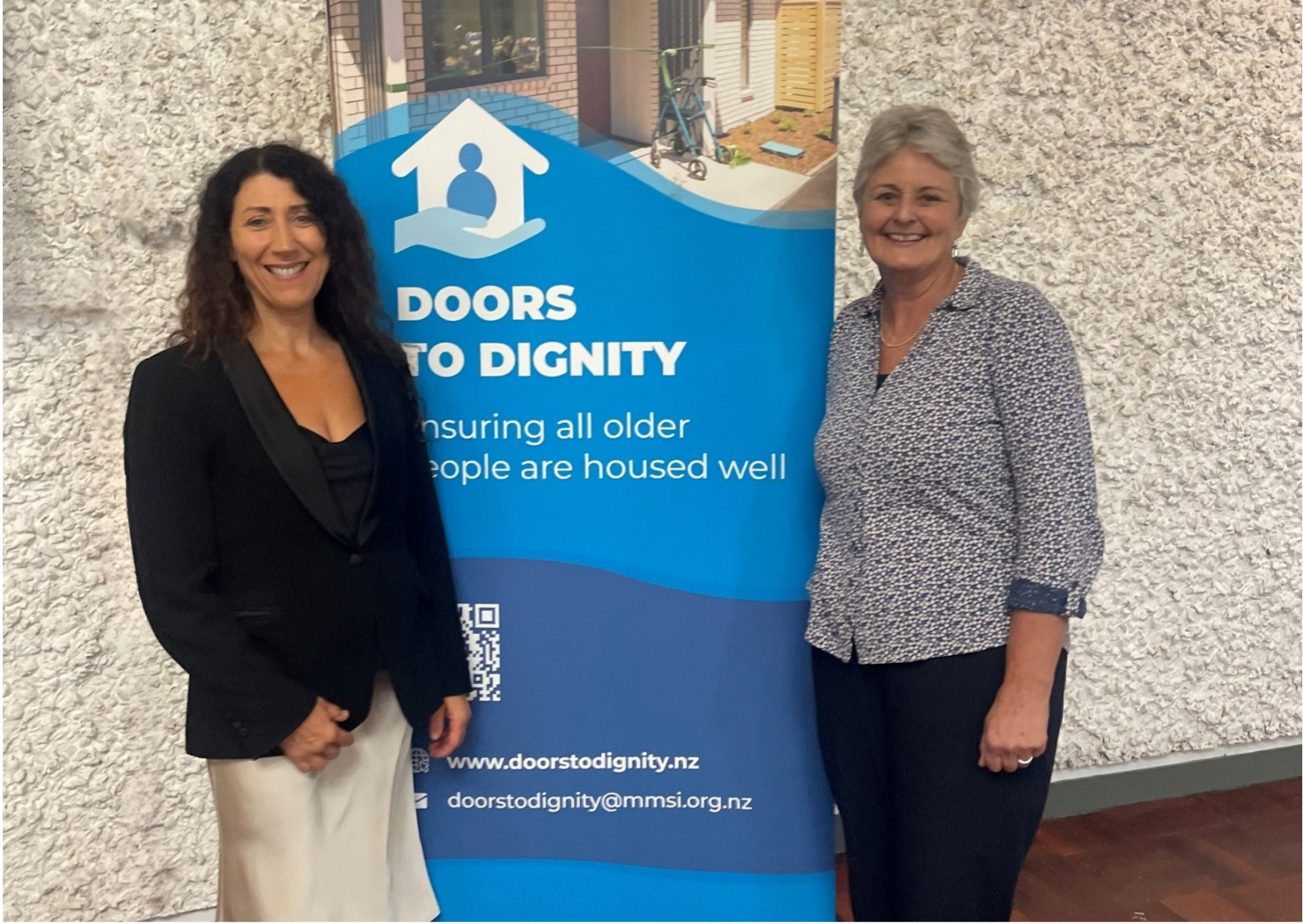
NZCCSS Chief Executive Alicia Sudden says the Monitor marks a turning point in how New Zealand understands poverty in later life. “For the first time, we can see and track the scale of poverty among older New Zealanders. What we measure is what we can change — and these first results should make us deeply concerned.”
The Monitor establishes a baseline across ten measures covering income, essentials, housing, social connection and health. It will allow New Zealand to track whether hardship among older people improves or worsens over time.
Sudden says the next challenge is deciding what level of hardship New Zealand is prepared to tolerate.
“We need to draw a line on poverty in later life and decide the minimum standard of dignity every older New Zealander should be able to expect. It should not be acceptable that tens of thousands of people reach retirement and still cannot afford healthcare, secure housing or the basic essentials of everyday life.”
The Monitor reveals the concerning health impacts facing many older New Zealanders as a result of their hardship. Almost one in five people aged 65 and over (168,000) are delaying visiting a doctor or dentist due to financial barriers, while around 25,000 older people are experiencing material hardship, living without essential items needed for a decent standard of living.
“For many older people, the decision to delay seeing a doctor or dentist isn’t a choice at all. It’s the result of having to stretch limited incomes across essentials. For older people who rent, housing has become unaffordable. With rents now above $500 per week for a one bedroom home, those living on Superannuation have little left for food, power and medical costs,” says Jill Hawkey, Executive Director, Christchurch Methodist Mission.“Poverty does not sit neatly within one age group or one part of society. These numbers are real people we meet every day — older New Zealanders trying to make fixed incomes stretch across food, power and other essentials, often after a lifetime of work and contribution.”
There is a common perception that most people are financially secure in retirement, through home ownership but housing insecurity is affecting a growing number of older people. The Monitor finds 17.25% living in homes they do not own.
Poverty in older age is not evenly shared amongst the population. Women, Māori, and Pacific older people were shown to experience disproportionately higher levels of hardship. Women had higher rates of poverty than men across all ten measures, both in terms of total number and proportional to their population size. Pacific older people had the highest rates of poverty in seven of the nine measures, while M̄aori were the second most impacted across every measure.
Nicola Turner, Chief Operating Officer, Presbyterian Support Central says the findings mirror what frontline services are seeing across the country but without the data, these people have often not been offered support. “We are seeing older people who are not eating properly and certainly cannot afford dental care, glasses, hearing aids or a taxi to a doctor. A lack of money, health status, wellbeing and independence can be significantly affected in the older population. The findings from the Monitor reflect what our teams are hearing from older people every day. Now we have the data and evidence that these challenges are widespread and deserve greater attention.”
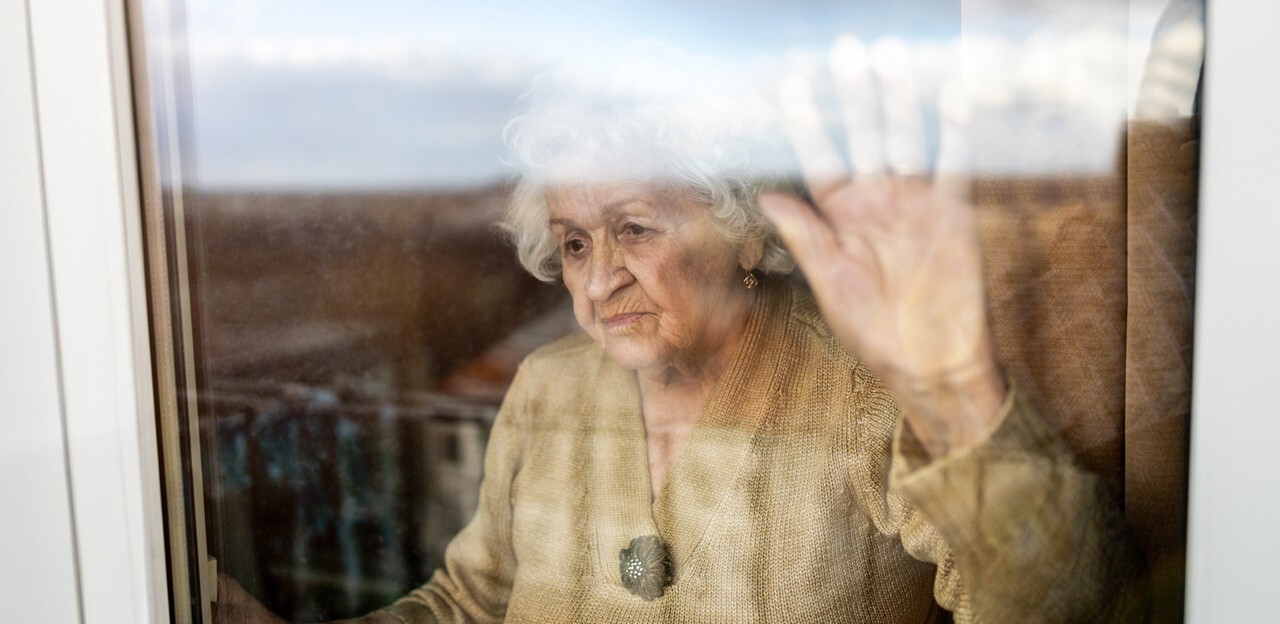
Alongside financial pressures, many older people are experiencing loneliness, social isolation and age-based discrimination. When asking older people to define poverty themselves, social isolation and isolation from whānau comprised a third of all responses – demonstrating that wellbeing in later life depends not only on material offerings, but also in meaningful social connection.
“For the kaumātua Māori we walk alongside, poverty is not only about income. It shows up in delayed healthcare, poorer quality kai and missing meals, housing stress, reduced mobility, fewer social activities, limited access to services, and disconnection from whānau, marae and community life,” says Elizabeth Walker, CEO-Tāhuhu, Te Whare Ruruhau o Meri.“At Te Whare Ruruhau o Meri, “We see how these pressures compound and affect the whole wellbeing of a person. When kaumātua are forced to choose between food, power, rent, transport, prescriptions, health care or staying socially connected, their mana and dignity are undermined. This Monitor matters because it gives national visibility to what Māori and community providers already see every day: poverty in later life is not just an economic issue. It is a hauora issue, a whānau issue, a community issue and a justice issue. If we are serious about ageing with dignity in Aotearoa, then the wellbeing of kaumātua Māori must be central to the response.”
Sudden says the new Monitor provides an important foundation for action and should be part of a national conversation ahead of this year’s general election. “This election, every political party should be asked a simple question: what will you do to stop poverty following New Zealanders into retirement?”
Until now, New Zealand has had no consistent framework for measuring poverty among people aged 65 and over. NZCCSS developed the Monitor through consultation with older people, researchers, community organisations, service providers and its member organisations. An interactive dashboard released alongside the report will allow the public, researchers and decision-makers to explore the findings and track changes over time.
Republished from: Time to draw the line: First-ever measure of older people’s poverty reveals nearly one in five living in hardship – NZCCSS